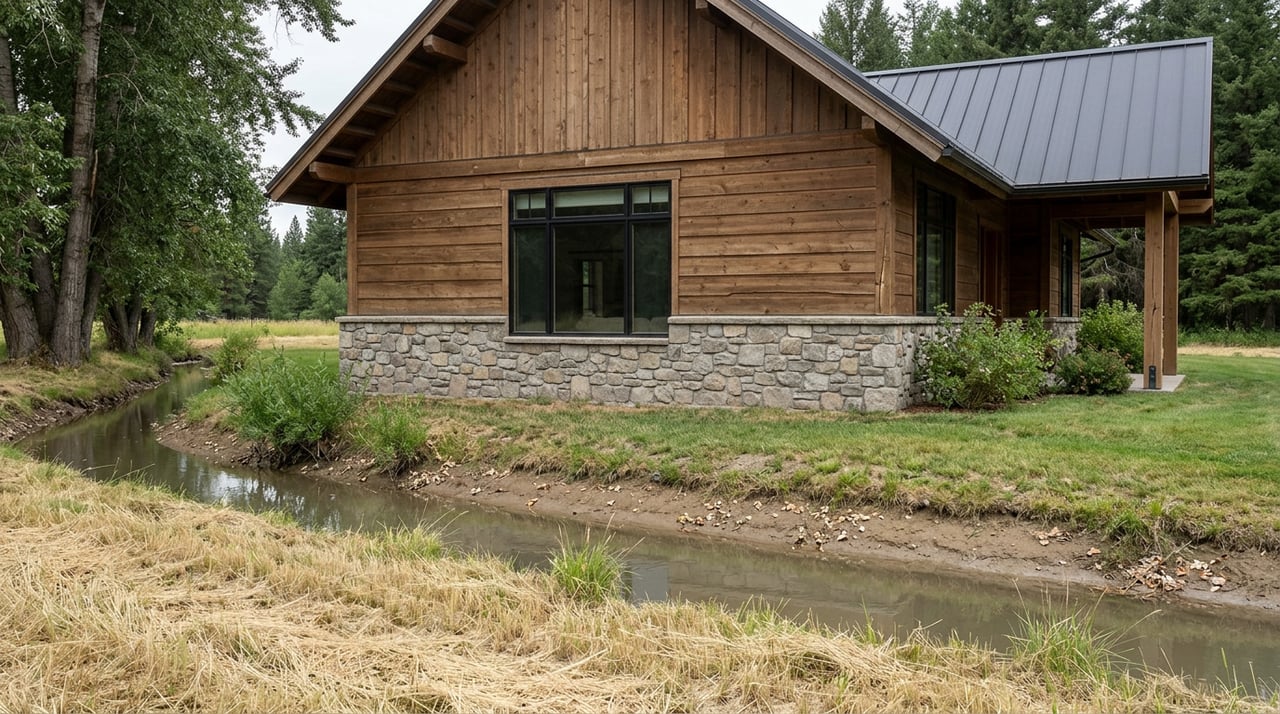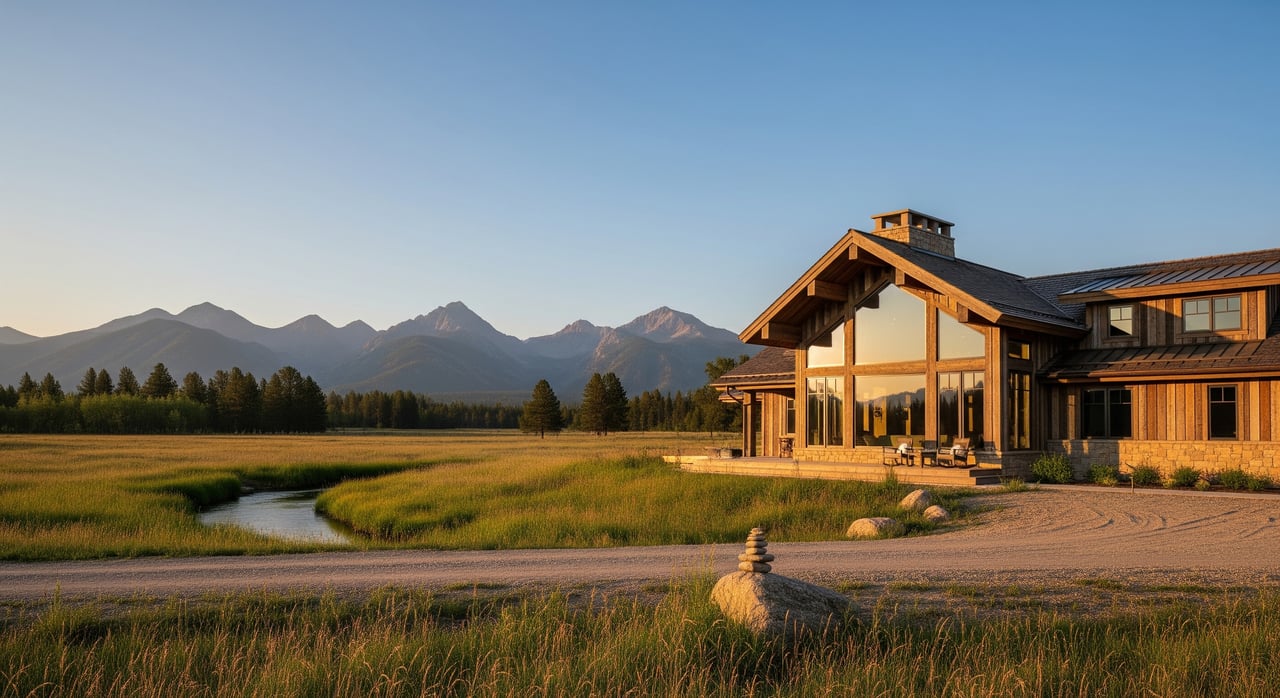
Looking at ranch or riverfront acreage near Big Timber and wondering if a conservation easement belongs in your plan? You’re not alone. Many Sweet Grass County buyers want to protect working lands, wildlife, and views while keeping practical use of the property. In this guide, you’ll learn what easements are, how they work here, what to check during due diligence, and how they affect financing, taxes, and resale. Let’s dive in.
Conservation easements in plain English
A conservation easement is a voluntary, legally recorded agreement that limits certain development or uses to protect defined conservation values. In our area, that often means keeping ranch ground in production, protecting riparian corridors along the Boulder River and its tributaries, or preserving scenic open space. The easement “runs with the land,” so it binds you and future owners.
A qualified conservation organization or a government entity holds and enforces the easement. The deed sets out what stays allowed and what is restricted. You still own the land, but certain rights are limited based on your conservation goals and the easement’s terms.
Why they’re common near Big Timber
Sweet Grass County is dominated by ranchland, hay ground, timbered foothills, and riparian corridors. Conservation here focuses on working-lands protection, wildlife habitat and movement, healthy streams and wetlands, scenic open space, and thoughtful vegetation management to reduce wildfire risk. Easements are tailored to those goals and can fit ranching, grazing, haying, and limited improvements.
What an easement can allow and restrict
Every deed is different. Most define reserved rights, like grazing, haying, and routine ranch operations, and specify what is off limits, such as subdivision or commercial development. Some allow a defined homesite or building envelope, utility lines, or agricultural structures. Others limit new dwellings or the size and placement of improvements.
Easements can support riparian restoration, fish and wildlife habitat projects, and forest health work under a management plan. Public access is not automatic. It is only included if the deed clearly grants it.
Benefits and trade-offs for buyers
Conservation easements can preserve the character and function of a property you love. They can reduce future development pressure, protect scenic resources, and keep working lands viable. Donors may qualify for federal income tax benefits if the easement meets legal requirements and documentation standards.
There are trade-offs. The limits are usually permanent, and the holder will monitor the property periodically. Some lenders treat conserved properties differently. A stewardship endowment is common to fund long-term monitoring. Resale value can be affected because development rights are restricted, though some buyers actively seek conserved properties.
Due diligence when buying with an existing easement
Treat the easement deed like a core part of the property.
- Obtain and read the recorded easement deed with all maps and legal descriptions. Note every reserved right and every prohibition.
- Request the baseline documentation report and prior monitoring records. These show the property’s condition at the time of easement and how it has been monitored.
- Confirm survey boundaries and make sure legal descriptions match title and the easement.
- Order a full title search and review exceptions. Pay attention to mineral rights, rights-of-way, and utility easements.
- Identify water rights and irrigation ditch easements, and check for any riparian work restrictions.
- Determine whether mineral rights are severed and whether extraction is allowed or restricted by the easement.
- Check Sweet Grass County permitting and subdivision rules to see how local requirements interact with the easement.
- Verify any mortgage and ensure the lender has consented or subordinated appropriately.
- Confirm stewardship obligations and whether a stewardship fund is already in place.
- Ask for prior appraisals, assessments, and any documentation of tax benefits previously claimed.
Planning to place an easement after you buy
If your goal is to donate or sell an easement, start early.
- Identify a qualified holder and confirm acceptance policies and stewardship capacity.
- Clarify conservation objectives and negotiate reserved rights, such as building envelopes, grazing plans, and timber management under a plan.
- Engage a qualified appraiser to value the easement. The value is typically the difference between before-and-after fair market value.
- Work with the holder on baseline documentation and a management plan for ongoing uses.
- Discuss stewardship funding. Many organizations require a one-time contribution for long-term monitoring and enforcement.
- Consult a tax advisor and an attorney with conservation easement experience to meet federal and state requirements.
- Ensure the deed is drafted and reviewed by counsel who regularly handle easements.
Financing, appraisals, and taxes
Some lenders finance properties encumbered by conservation easements, and others do not. Policies vary, and clarity around lien priority and subordination is important. If you plan to donate an easement while the property is mortgaged, lender consent can affect both enforceability and potential tax treatment.
A qualified appraisal is typically required if you pursue federal charitable contribution treatment. Federal rules also provide a longer carryforward period for unused deductions than typical charitable gifts. You should work with a tax advisor to understand current rules and documentation.
For property taxes, removing development value can reduce assessed value, but outcomes vary by county assessor practice. Check with the Sweet Grass County Assessor on likely impacts for your parcel and easement terms. Easements can also be used in estate planning because they may reduce the taxable estate, depending on your situation and current law.
Water, minerals, and fire in Montana
Water law is complex, and easements that involve riparian corridors should be reviewed with attention to water rights, irrigation infrastructure, and stream work. Confirm ditch easements, access, and maintenance. Make sure the easement language aligns with how you plan to use and protect riparian areas.
Mineral rights can be severed in Montana. If minerals are open to development, the easement may include provisions to minimize surface impacts. Ensure that the easement language and title work reflect the mineral status and any compatible use terms.
Wildfire and forest management matter on timbered foothills and rangeland. Many easements include vegetation management, thinning, fuels reduction, and prescribed burn provisions. Confirm what is allowed and the process for approvals.
Closing steps for easements
When you buy a property subject to a conservation easement or plan to place one, the closing usually follows a clear path:
- Finalize easement language and reserved rights.
- Complete survey and legal descriptions and prepare recordable documents.
- Finish the appraisal and assemble documentation if you plan to claim a charitable deduction.
- Clear title matters and obtain lender consents or subordinations.
- Set up the stewardship agreement and funding.
- Sign and record the easement deed.
- Finalize and deliver the baseline condition report to the holder and lender if required.
How to decide if a CE fits your goals
Start with your vision for the property. If your priority is to ranch, hay, improve riparian health, and protect scenic values, a tailored easement can lock in that future. If you want maximum flexibility for subdivision or multiple dwellings, a conservation easement may be too restrictive. The key is aligning reserved rights with the way you intend to use the land.
Ask yourself:
- Do you want to preserve working-lands use long term?
- Is a defined building envelope sufficient for your plans?
- Are you comfortable with periodic monitoring by a land trust or government holder?
- Do you understand potential tax benefits and costs, including any stewardship endowment?
- Will your lender support the plan, and do you have the right advisory team?
Work with local partners
In Montana, conservation success is local and collaborative. Regional land trusts and conservation partners frequently work on agricultural easements and riparian protection in Sweet Grass County. Federal programs, such as the Agricultural Conservation Easement Program through USDA, can offer funding pathways for working lands and wetlands. County offices and local conservation districts provide practical, on-the-ground guidance.
You will also want an attorney and an appraiser with conservation easement experience in Montana, and a lender familiar with conserved properties. These partners help you align your conservation objectives with clear, enforceable language and workable financing.
Ready to walk the land?
If Big Timber has your heart, a conservation easement can help you protect what you love while keeping the property useful. The details matter, and early planning saves time and stress. When you are ready to explore properties with existing easements or craft one that fits your goals, reach out to our team. We know the local terrain, the players, and the process, and we can help you assemble the right experts.
Connect with Montana roots and practical guidance. Reach out to Montana Property Brokers to talk through options, review easement deeds, and see what’s available on and off market.
FAQs
What is a conservation easement on land near Big Timber?
- It is a recorded legal agreement that limits certain development or uses to protect conservation values like working ranchlands, riparian areas, habitat, or scenic open space.
Do conservation easements in Montana require public access?
- No, not by default. Public access only occurs if the deed explicitly grants it. Most private easements do not require public access.
Can you build a home on a Sweet Grass County property with a CE?
- Maybe. Many easements allow a defined building envelope or limited structures. Others restrict new dwellings. Always review the recorded deed.
How do lenders view conservation easements in Montana?
- Policies vary. Some lenders finance conserved properties, while others require subordination or have limits. Engage your lender early to confirm requirements.
Will a conservation easement lower property taxes in Sweet Grass County?
- Possibly. Removing development rights can lower market value and assessed value, but results depend on county assessor practices. Check with the Assessor.
Who monitors and enforces a conservation easement in this area?
- The easement holder, which is a qualified land trust or government entity. They conduct periodic monitoring and handle any needed enforcement.