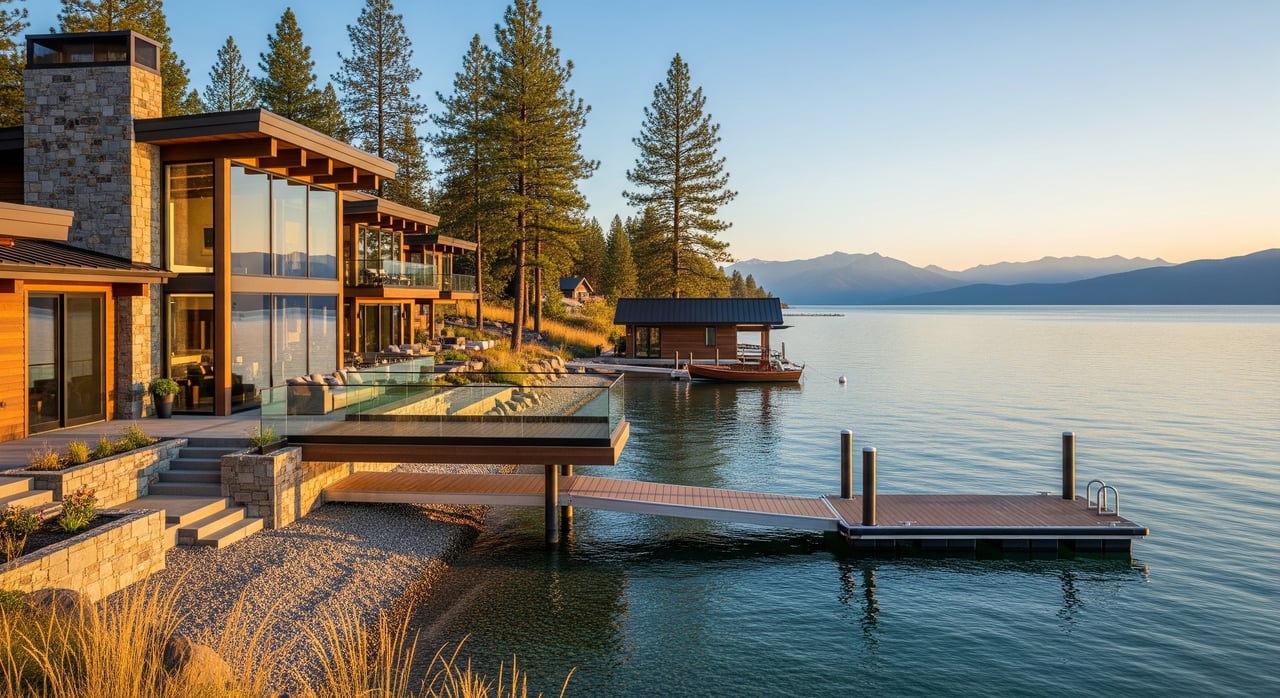
You do not buy a waterfront home in Lakeside just for the view. You buy it for easy swims on calm mornings, secure moorage for your boat, and the peace of a shoreline that fits your lifestyle. Choosing the right place takes more than curb appeal. You need to understand shoreline types, dock rules, utilities, and long-term costs before you fall in love with a deck over Flathead Lake.
In this guide, you will learn how different property types stack up, what to verify about docks and access, how wind and ice impact maintenance, and what permits and inspections matter most. You will also get a simple checklist to compare listings side by side. Let’s dive in.
Lakeside waterfront basics
Lakeside sits on the west shore of Flathead Lake in Flathead County. Buyers here value direct lake access, recreation, and proximity to marinas and valley services. You will compare properties by shoreline quality, dock options, year-round road access, utilities, and exposure to wind and waves.
True private frontage commands a premium over access-only or community-dock homes. That premium brings more responsibility, including shoreline care and permit compliance. Shared-access or off-water homes reduce ownership burden but may limit moorage, control over improvements, and day-to-day convenience.
Compare property types in Lakeside
Direct waterfront homes
- Pros: Exclusive access, private dock potential, unobstructed views, and more control over shoreline use, subject to permits.
- Cons: Higher price and maintenance, possible regulatory limits, and added costs for insurance and erosion control.
- Verify: Exact boundary relative to the ordinary high-water mark, any easements, historic use rights, and riparian rights.
Waterfront townhomes or condos
- Pros: HOA often handles shoreline, dock, and snow removal, so your maintenance load is lighter. Amenities can add value.
- Cons: HOA fees and rules, limited control over improvements, and potential disputes over shared moorage.
- Due diligence: Review covenants, dock agreements, rental rules, reserve funds for dock or shoreline repairs, and whether slips are deeded or assigned.
Off-water homes with access
- Pros: Lower buy-in than true waterfront and less shoreline maintenance. You still reach the lake for swimming and boating.
- Cons: Access can be narrow or seasonal, parking may be limited, and moorage can be competitive or restricted.
- Verify: Exact location and width of the access easement, parking rights, and who maintains stairs or paths.
Vacant waterfront lots
- Pros: You can design what you want, and the initial price may be lower before improvements.
- Cons: Site development can be costly. You may face footprint limits and complex permits for docks and shoreline work.
- Key checks: Boundary survey, geotechnical review for erosion risk, septic and drainfield suitability, and utility availability.
Shoreline, docks, and access rules
Lakebed ownership basics
Confirm where the property ends relative to the ordinary high-water mark. In Montana, state-managed trust lands may include some lakebeds. If the lakebed is state owned, you may need a state authorization or lease for a private dock. Even with private lakebed, you will still work with federal, state, and county agencies for structures and improvements.
Key contacts: Flathead County Planning and Zoning, Montana DNRC for state trust lands questions, and the U.S. Army Corps of Engineers for permits in navigable waters.
Dock types and permitting
Typical dock choices include fixed pile-supported docks or floating docks. The right design depends on water depth swings, wave exposure, and ice. Many projects require permits that protect navigation, fish habitat, and neighboring properties. Some replacements or expansions may need environmental review. Expect setbacks from property lines, lighting limits, and possible no-build areas near sensitive habitat.
Confirm whether existing docks are permitted and in good standing. If moorage is shared, understand the allocation rules and maintenance cost split. If you use a marina, plan for recurring fees and limited control.
Stabilization and vegetation
Hard stabilization like riprap or bulkheads often triggers stricter review. Many programs favor native vegetation buffers that reduce erosion and help water quality. Removing shoreline vegetation may require permits. Soft approaches can also be more resilient to shifting ice and wave cycles.
Easements and shared access
Carefully map beach or path easements and note who can use them. Confirm maintenance duties, vehicle and parking rules, and how guests access the waterfront. Ask your title officer about any prescriptive or historic use claims that could complicate privacy or control.
Environmental and seasonal realities
Wind, waves, and ice
Exposure to prevailing winds and long fetch across open water can increase wave energy and erosion. Sheltered coves are calmer but may require different dock solutions. Ice movement during freeze and thaw can stress piles, floats, and bulkheads. A marine contractor should evaluate dock design against local wind, wave, and ice conditions.
Septic, wells, and water quality
Septic systems must meet county and state setback rules to protect the lake. Older systems deserve a careful inspection. Replacement can be significant if soils are poor. Private wells should be tested for bacteria and nitrates, and you should confirm capacity for extra bedrooms or frequent guests. Periodic algae blooms or localized nutrient issues can occur in the region, so check recent advisories for Flathead Lake.
Aquatic invasive species
Montana runs active prevention programs. Expect boat and trailer inspections, Clean-Drain-Dry practices, and possible decontamination steps. These measures protect Flathead Lake and help preserve your investment and recreation.
Wildlife and wildfire
Many Lakeside parcels are within the wildland-urban interface. Plan defensible space and confirm insurance requirements. Wildlife like bears, deer, and waterfowl influence fencing, waste storage, and landscaping choices.
Insurance, financing, and true cost
Flood insurance may be required if FEMA maps place your property in a flood zone. Private flood options may also be available. Standard homeowners policies can exclude some water-related damage, so review coverage for docks, personal watercraft, and liability on the shoreline. Wind, wave, ice, and wildfire risks can affect premiums and deductibles.
Lenders may ask for septic and dock inspections or environmental disclosures. Appraisals rely on comparable sales, and unique shoreline features can make valuation harder. Plan for one-time and recurring costs like dock construction or repair, shoreline stabilization, septic replacement, landscaping, HOA dues, moorage, and winterization. As a planning rule, budget roughly 1 to 3 percent or more of property value per year for maintenance on high-end waterfront, understanding that real costs vary by site and exposure.
Value and lifestyle trade-offs
Frontage vs access-only
- Direct frontage: Highest convenience and privacy for frequent boating and swimming, and the strongest views. You assume full maintenance and permit responsibilities.
- Access-only: Lower cost and less maintenance. Best if you visit occasionally or prefer fewer obligations, but confirm moorage availability.
Shoreline type
- Sandy or gradual: Easy swimming and launching, generally the most sought-after.
- Rocky or steep bluff: Big views and privacy, but more complex dock design and limited swimming.
- Wetland or marsh: Wildlife and privacy benefits with stricter development limits.
Orientation and sun
South or west exposure often brings more afternoon sun and can mean more wave energy. Exposure guides your dock choice, swim safety for kids, and your maintenance plan.
Proximity to services
Being near marinas, groceries, and medical services supports year-round living and faster response times for maintenance. HOA-managed communities can offer simplicity but may limit boat types, rental activity, or dock use.
Your due diligence checklist
- Title and boundary
- Order a current title report and boundary survey noting the ordinary high-water mark, easements, and shoreline covenants.
- Permitting and records
- Gather historic dock and shoreline permits. Confirm status with Flathead County, DNRC, and the U.S. Army Corps of Engineers. Check county septic and well records.
- Inspections
- Marine contractor dock assessment, including ice and wave exposure. Geotechnical review for bluffs. Septic inspection and soil report. Well water test and flow test. Environmental screening for wetlands and protected habitat.
- Insurance and finance
- Confirm FEMA flood zone status and get quotes for homeowners, flood, and umbrella liability coverage. Ask your lender about waterfront requirements and appraisal considerations.
- HOA and shared access
- Review bylaws, insurance, reserve studies, meeting minutes, and recent assessments. Confirm slip rights and waitlists.
- Lifestyle and operations
- Verify docking rights and depth at the dock location in summer and winter. Confirm winter road maintenance, marina staffing seasons, and local short-term rental rules if income matters to you.
- Local programs
- Contact Montana Fish, Wildlife & Parks for current boating and AIS inspection requirements. Check with Flathead County environmental health for septic guidance.
What to ask the seller and your agent
- Who owns the lakebed in front of the parcel, and what permits or leases support the existing dock?
- Is the dock included in the sale, shared, or leased at a marina? Are there waitlists for slips?
- What shoreline stabilization exists, and are there recent inspections or permits on file?
- How deep is the water at the dock during late summer, and is dredging allowed or needed?
- What is the age and condition of the septic system, and where is the drainfield relative to the lake?
- Are there recorded easements that allow others to travel across the property to the water?
- What are typical annual costs for dock upkeep, shoreline repairs, HOA dues, and utilities?
Ready to compare properties?
If you want the right mix of shoreline, moorage, and low-drama ownership, you need a local plan and thorough records. Our team pairs lifestyle know-how with hands-on diligence, from permits and title to trusted contractors. When you are ready to walk lots, read the shoreline, and pressure-test the numbers, reach out to Montana Property Brokers. We will help you find the right spot on Flathead Lake and move forward with confidence.
FAQs
What is the ordinary high-water mark on Flathead Lake?
- It is the line that separates upland property from the lake. Your survey and title work should identify it, since it affects dock permits and what you can build.
Do I need permits to replace a dock in Lakeside?
- Most dock replacements or expansions require approvals. Expect to work with Flathead County, DNRC, and the U.S. Army Corps of Engineers, depending on the scope.
How do shared docks and moorage work?
- Shared docks rely on recorded agreements or HOA rules. Confirm how slips are assigned, who pays for repairs, and whether slips are deeded or first-come.
What should I check on a septic system near the lake?
- Order an inspection, verify setbacks and permits, and locate the drainfield. Understand replacement options and costs if soils are marginal.
Is flood insurance required for Lakeside waterfront homes?
- It depends on FEMA flood maps. If the home or structures are in a mapped flood zone, lenders may require flood insurance.
How do wind, waves, and ice affect dock design on Flathead Lake?
- Exposure drives the choice between fixed and floating docks, pile sizing, and anchoring. A marine contractor should evaluate site conditions.
What are Montana’s rules on aquatic invasive species for boat owners?
- Expect inspection stations, Clean-Drain-Dry protocols, and possible decontamination. These programs help protect Flathead Lake and are part of responsible ownership.