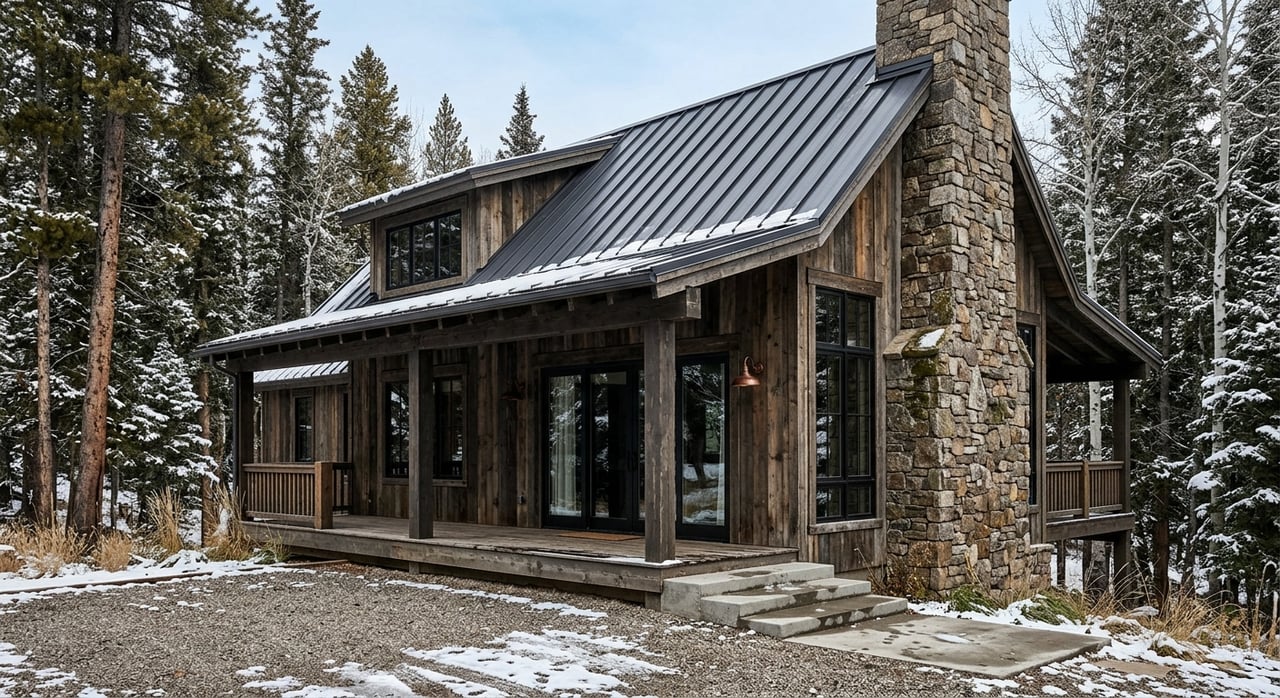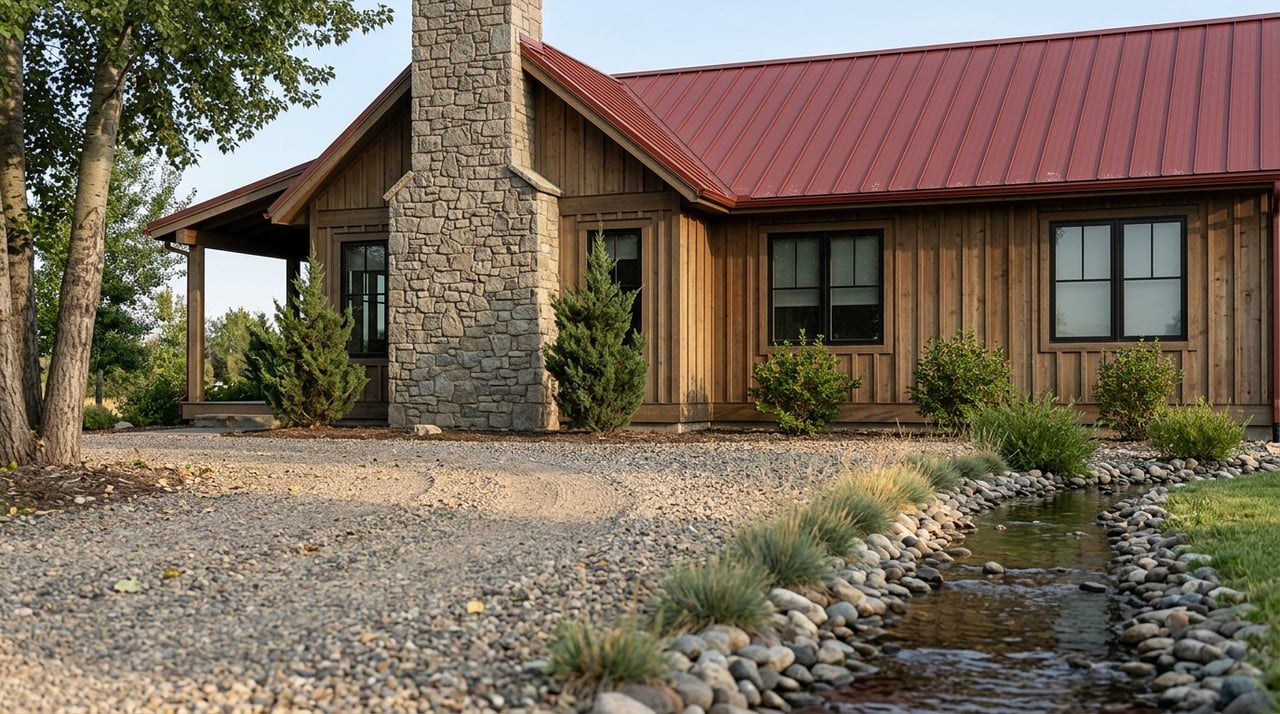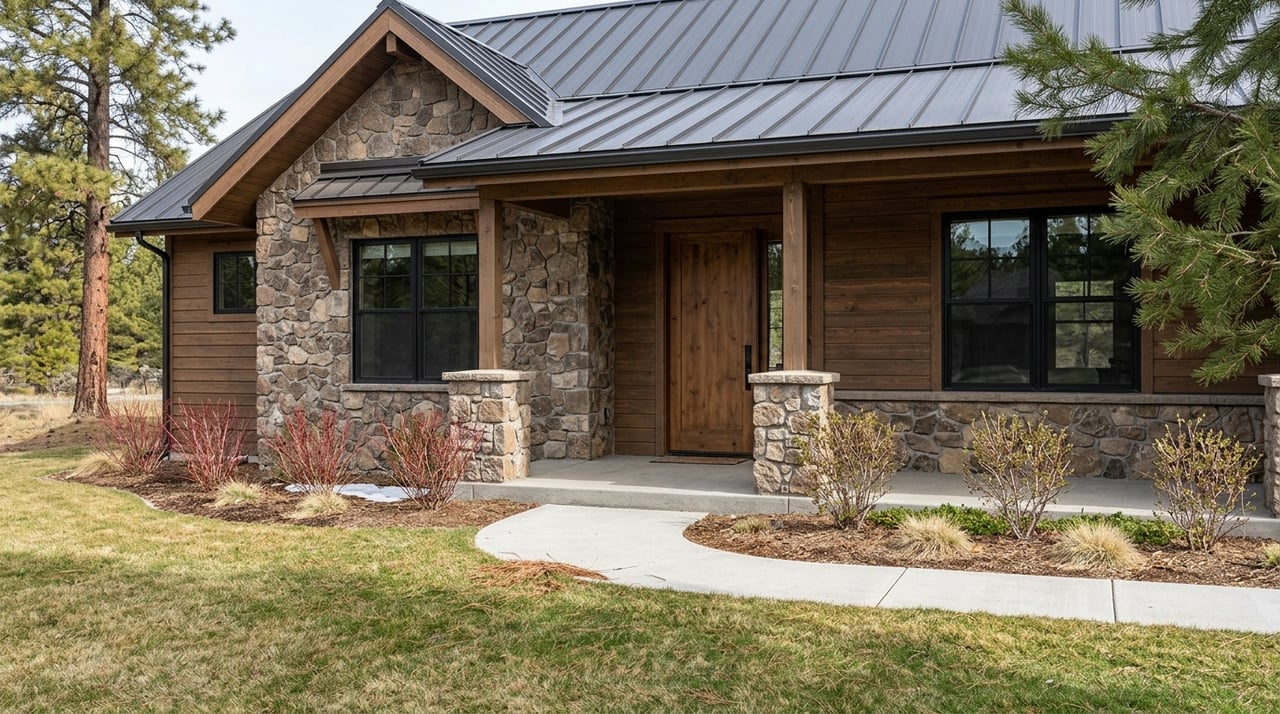
Thinking about selling your Whitefish mountain home but unsure how to price it or make it shine online and in person? You are not alone. With a four‑season resort draw and a market that shifted in late 2025, today’s buyers are selective and data driven. In this guide, you will learn how to set a smart list price, time your launch, and present your property so it stands out to ski, lake, and second‑home buyers. Let’s dive in.
Whitefish market at a glance
Published “typical price” numbers vary widely, which is why you should price from true local comps instead of headlines. For example, one recent snapshot put Whitefish’s median sold price near $958,000 according to Rocket Homes, while other sources have shown a higher median listing price in late 2025 and a lower home value index in early 2026. This spread reflects a highly mixed market with condos near the mountain, lakefront homes, and luxury builds all in the same zip code.
Two key reasons the range is wide in Whitefish:
- Location micro‑markets. Proximity to Whitefish Mountain Resort, lake access, and downtown convenience often command a premium. County‑level datasets also show meaningful variation across neighborhoods and property types, confirming a heterogeneous market as ATTOM’s data pages suggest.
- Product type and STR potential. Walk‑to‑ski condos, condo‑hotel lockoffs, and newer single‑family homes do not share the same buyer pool as entry‑level condos. Short‑term rental eligibility can also influence value, but only if it is legal and documented. More on that below.
The takeaway: use a current, hyper‑local CMA to set price. Medians are helpful for context, but your exact micro‑market and features will drive the final number.
Set the right list price
Start with a side‑by‑side of relevant comps from the last 90 to 180 days where possible. In a resort town, season matters, so try to compare winter‑season closings when pricing a ski‑adjacent condo and spring or summer sales for lake‑oriented properties. Include both recent closed sales and active competitors, and note differences in view, access, age, quality, HOA dues, and verified rental status.
Consider these pricing tactics that work in Whitefish:
- Price within buyer search bands. If your home sits near the top of a common price band, consider a slight under‑band strategy to widen the audience and increase showings.
- Plan review check‑ins. Set a data‑based review at 14 and 30 days. Watch showing feedback, online saves, and competitive list changes.
- Be transparent. Early disclosure of HOA dues, utility averages, winter access plans, and any rental rules helps attract serious buyers and reduce renegotiation later.
Micro‑market factors to weigh
- Proximity to Whitefish Mountain Resort base, shuttle, or lifts.
- Lake access or frontage, plus docking or mooring details when applicable.
- View corridors and privacy, especially for ridge‑top or acreage settings.
- Age, condition, and recent upgrades to major systems.
- HOA dues, special assessments, and verified STR eligibility.
Time your launch for demand
Whitefish is a true four‑season market, so timing can help you catch the right wave of buyer activity.
- Ski‑focused properties. Listing in the fall often aligns with buyers planning for the winter season. The resort’s season and events create steady demand across winter months per Whitefish Mountain Resort.
- Lake and lakeshore homes. Spring through early summer captures lake‑season shoppers. If your property suits both audiences, craft marketing that highlights winter and summer benefits.
Verify rental potential before you sell
If you plan to lean on short‑term rental income as part of your value story, verify the facts up front.
- City rules. The City of Whitefish permits STRs only in certain zoning districts and requires a Short‑term Rental and Business License. Get your current permit details and confirm any transfer rules with the city using the City’s FAQ.
- County rules. Properties outside city limits fall under Flathead County zoning. Many zones restrict or require conditional approvals for nightly rentals. Local reporting has documented rule changes and enforcement efforts, so do not assume permissive use just because listings appear online as covered by the Flathead Beacon.
- HOA and CC&Rs. Associations may be stricter than city or county code, including minimum stay requirements or outright bans. Request an estoppel letter that spells out the current rules and any pending changes.
- Taxes and resort districts. Lodging and resort‑area taxes may apply to nightly stays. Confirm current rates and remittance steps with the City Finance office and the Montana Department of Revenue. News coverage has referenced a 3 percent resort tax on many purchases and activities in the Big Mountain area as noted in local reporting.
If you market STR income, gather 12 to 24 months of evidence: booking calendars, gross revenue, occupancy, fees, and lodging‑tax receipts. Provide permit numbers and renewal status. Without that documentation, present the home for lifestyle first and keep income projections conservative.
Prepare your mountain home for today’s buyers
Winter readiness and safety
Buyers in mountain towns look for real‑world reliability. Before listing, address:
- Heating, hot water, and plumbing freeze prevention. Service systems and keep receipts.
- Roof, gutters, and ice‑management. Confirm roof condition and safe snow‑shedding.
- Access and lighting. Ensure clear winter access plans and safe, well‑lit entries.
- Wildfire preparation. Create or document defensible space and any home‑hardening steps like ember‑resistant vents or Class A roofing. National guidance outlines near‑home zones and best practices for wildfire risk reduction in this defensible‑space guide and through USDA Forest Service prevention resources.
Staging that sells the lifestyle
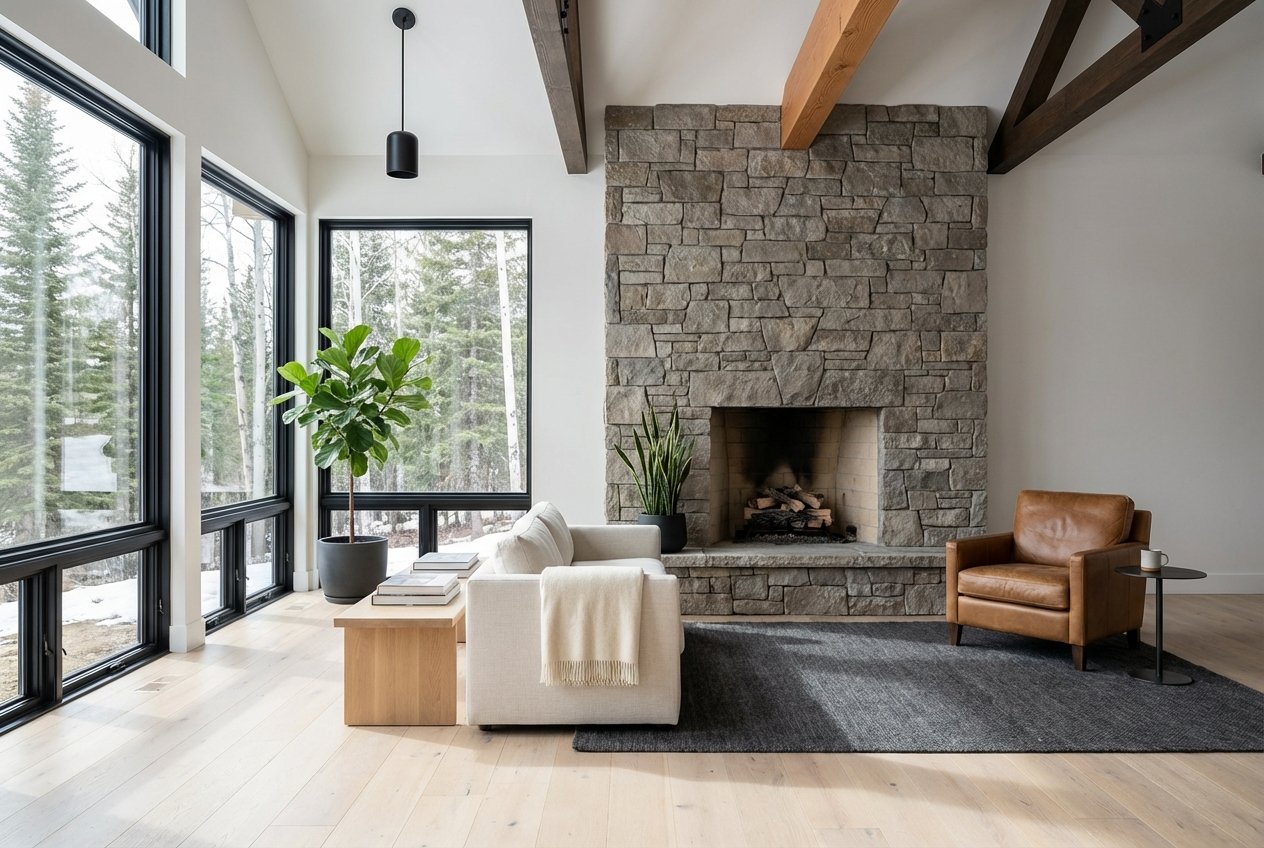
Staging helps buyers visualize living in the home and can shorten time on market. The National Association of REALTORS reports consistent benefits from staging, with agents prioritizing the living room, primary bedroom, and kitchen in NAR’s staging guidance. Keep the look clean and neutral. Edit personal items, deep clean, and consider a fresh coat of paint where needed. For vacant spaces, virtual staging is a cost‑effective option when labeled clearly, and should be supported by a few true photos.
Photos, video, and tours that capture Whitefish
Most buyers browse from out of town, so your visuals must do the heavy lifting. Professionally shot listings attract more views and can sell faster and for more money, according to a study cited by Redfin and published via PR Newswire. For mountain properties, ask for:
- Bright, wide‑angle interiors that show window views without glare.
- Drone aerials to place the home near lifts, shuttle stops, trails, or the lake.
- Twilight exteriors that showcase outdoor spaces and lighting.
- Floor plans and a 3D walkthrough for remote buyers.
What to spotlight in your listing
- Exact distance or minutes to the Whitefish Mountain Resort base, plus shuttle info from the resort site.
- Snow‑season practicals like heated garage, off‑street parking, and snow‑removal plan.
- Summer features such as lake access points, dock details, and gear storage.
- STR status with permit number, renewal date, and any HOA rules if applicable.
- Recent mechanical, roof, and safety upgrades with service dates and warranty notes.
Seller’s checklist you can use
- Confirm whether the property is inside city limits or in the county, then verify STR eligibility and gather the City of Whitefish Short‑term Rental and Business License if applicable using the City’s FAQ.
- If you plan to market STR income, collect 12 to 24 months of booking data, gross revenue, occupancy, fees, and lodging‑tax receipts, plus any permit documentation.
- Complete a safety and mechanical audit: heating, hot water, plumbing freeze protection, roof and gutters, chimney and vent checks. Save receipts and note service dates. See USDA Forest Service prevention guidance.
- Document defensible‑space work and any home‑hardening steps. Reference the national defensible‑space guide.
- Stage the living room, primary bedroom, and kitchen. Schedule professional photography with drone and a twilight set, and add a floor plan and virtual tour per NAR’s staging guidance.
- Refresh curb appeal and make winter access clear and safe for showings. Coordinate snow removal and highlight it in the listing during ski season per resort timing.
- Obtain HOA documents, including an estoppel letter that states current rental rules and any pending policy changes, along with recent meeting minutes if rentals are under discussion.
- Build your pricing plan with same‑season comps, a clear initial price band, and a schedule for early feedback and reviews. Use current market snapshots for context, like Rocket Homes’ local report.
Marketing and negotiation tactics that work here
- Lead with lifestyle facts. Open your headline and first two sentences with proximity to the resort, lake access, and any new system upgrades. Replace vague adjectives with measurable details.
- Be upfront on costs. Publish HOA dues, known assessments, average utilities, and winter maintenance or resort‑area tax obligations. Buyers appreciate clarity and respond faster.
- Know your buyer pool. Local owner‑occupants focus on livability and year‑round access. Second‑home buyers look for views, proximity, and turn‑key ease. Investor buyers care about verified STR status, actual revenue, and clean compliance files.
Getting pricing and presentation right in Whitefish is about respect for the place and the people who buy here. When you combine a smart, seasonal pricing plan with clear STR documentation, winter‑ready systems, clean staging, and strong visuals, you will meet today’s buyers where they are and protect your bottom line.
Ready to talk strategy for your home or condo near the mountain or lake? Connect with the boutique team at Montana Property Brokers for a focused pricing plan, on‑the‑ground prep, and polished marketing that fits Whitefish.
FAQs
How should I price my Whitefish mountain home in a shifting market?
- Build a CMA using recent, same‑season comps and active competitors, then set an initial price within common buyer search bands and plan review checkpoints at 14 and 30 days.
What documents do I need to market short‑term rental potential?
- Provide your City or County permit details, any HOA rules or estoppel letter, and 12 to 24 months of booking data, revenues, occupancy, and lodging‑tax receipts.
When is the best time to list a ski‑area condo near Whitefish Mountain Resort?
- List in the fall to catch winter‑season planners, and highlight shuttle or lift access; if the home also shines in summer, keep materials live into spring.
What prep delivers the best ROI before listing in Whitefish?
- Service major systems, document wildfire and safety steps, stage the living room, primary suite, and kitchen, then invest in professional photos, drone, and a floor plan.
Do I need professional photos and drone shots for a Whitefish listing?
- Yes, remote buyers rely on visuals; pro photography, drone, twilight, and a 3D tour can increase views and help you sell faster and for stronger offers.