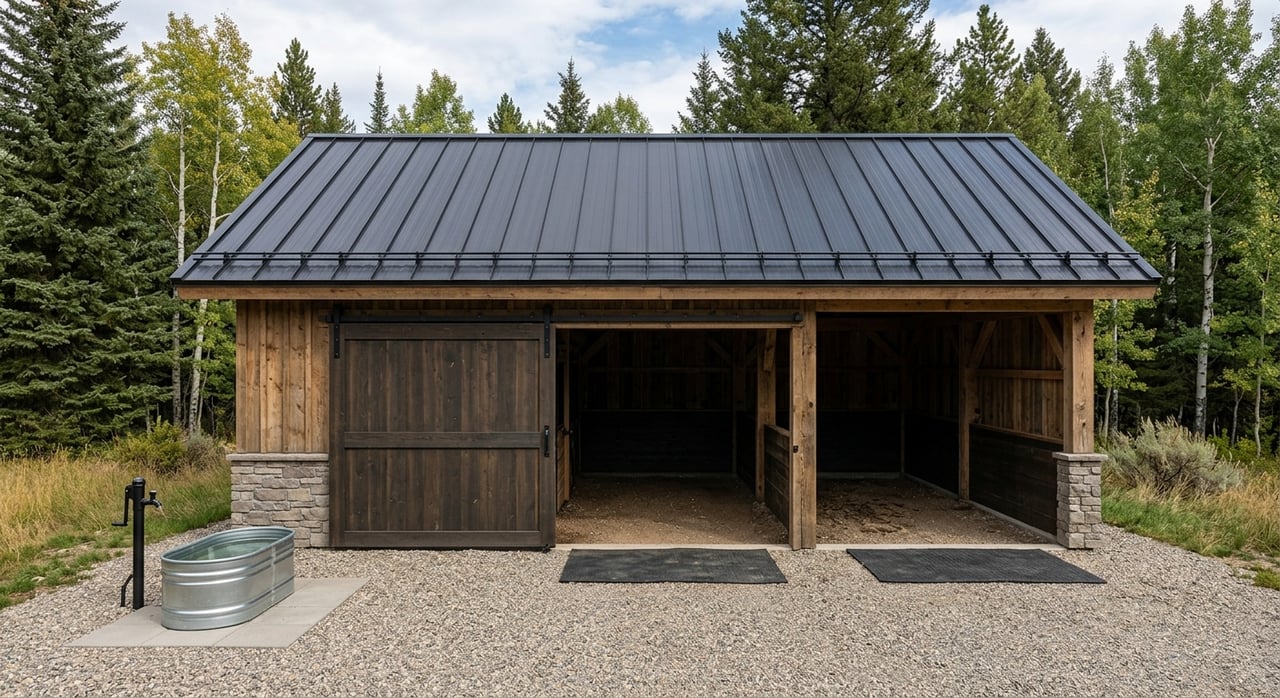
If you picture a horse property in Paradise Valley as simply "lots of acres and a pretty view," you could miss the details that matter most. Buying here often means weighing water rights, pasture condition, winter readiness, zoning, and access just as carefully as the home or barn. If you want a place that truly works for horses, this guide will help you focus on the right questions before you buy. Let’s dive in.
What horse-friendly means here
In Paradise Valley, horse-friendly usually has more to do with land function than raw acreage. Park County treats Paradise Valley as its own planning and zoning area, and local land-use rules shape what buyers can do with a property over time. You are often looking at larger acreage parcels, irrigated pasture or hay ground, and in some cases properties suited for guest-ranch or training-stable style use rather than small suburban horse lots.
According to the county’s planning and zoning resources and the Park County Growth Policy, the valley’s land-use pattern is closely tied to agriculture, recreation, residential development, and fisheries along the Yellowstone River and its tributaries. The policy also notes support for agricultural activity and certain quiet recreation or guest uses, including equine training stables and dude-ranch style operations.
That local context matters because the right property for you depends on your goals. You may want a full-time horse setup, a seasonal retreat with turnout and hay storage, or a parcel that supports horses while preserving long-term flexibility.
Start with zoning and land use
Before you fall in love with a barn or mountain view, check the property’s zoning and land-use constraints. In Paradise Valley, zoning can affect minimum lot sizes, future development options, and how a parcel can be used.
The Park County Growth Policy notes that in parts of the Paradise Valley zoning district around Mill Creek Road and East River Road, newly created lots must be 20 acres or more, and ridge-top development is restricted. If you are thinking about buying land now and changing its use later, those rules should be part of your early due diligence.
A good first stop is Park County Planning, which administers zoning, subdivisions, floodplains, and related land-use issues. If your plans include future building, lease arrangements, or any kind of expanded use, it also makes sense to review issues with the Park County Compliance Office early in the process.
Water matters more than most buyers expect
Water is one of the biggest pieces of the puzzle for a horse property in Paradise Valley. A drilled well, creek frontage, or irrigation ditch may sound reassuring, but each comes with different questions.
The Montana DNRC water rights guide explains that a recorded water right is required for most water uses in Montana and that water rights are appurtenant to the land. Sellers must disclose water rights on the realty transfer certificate, and changes to how or where water is used can require prior approval.
Just as important, DNRC notes that a well log does not create a water right. In other words, you should not assume that the existence of a well automatically covers irrigation or stock-water needs. If the property includes live water or irrigation infrastructure, ask careful questions about rights, delivery, maintenance, and any obligations tied to the system.
If you are thinking long term, subdivision rules matter too. Park County’s subdivision regulations say even parcels of 20 acres or more proposed for subdivision must show an adequate water source and space for septic and a replacement drain field before final plat approval.
Check pasture quality, not just acreage
Two properties with the same number of acres can function very differently for horses. That is why pasture condition and grazing layout deserve a close look during showings and inspections.
The USDA NRCS guidance on livestock and pasture management emphasizes fencing, watering facilities, shelter structures, and grazing layout. NRCS also warns that overgrazed pastures can harm animal health and damage natural resources.
For you as a buyer, the practical question is simple: How many horses can this land really support without stressing the pasture? Ask how the land has been managed, whether grazing is rotated, and whether there are signs of bare ground, weed pressure, or compacted areas around gates and water sources.
The research also points to weed management as a real concern. Disturbed pasture and overgrazing can favor weeds, and Montana guidance notes that horses and pack animals used on public land must use certified noxious weed seed-free forage. If you expect to ride from the property onto nearby public lands, hay sourcing and manure management become part of the conversation too.
Evaluate the core horse infrastructure
A horse property does not need to be fancy, but it does need to function well in every season. The strongest setup is usually practical, safe, and easy to maintain.
Based on guidance from Montana State University Extension on winter horse care and USDA NRCS pasture management, here are the basics to evaluate:
- Horse-safe fencing
- Reliable water access, such as tanks or troughs
- Shelter or a weather break for turnout
- Enough space for winter hay storage
- Functional trailer access and turnaround space
- A workable manure-handling area
In Montana winters, these basics are not optional. MSU Extension notes that winter horse care depends on nutrition, water, shelter, and hoof care, and that horses can remain healthy outdoors if those essentials are covered.
Plan for winter from day one
Paradise Valley is beautiful in every season, but winter changes how a property works. A place that feels easy in July can become much more demanding when snow, ice, and cold settle in.
MSU Extension notes that horses eating hay generally need more water than horses on pasture, which makes dependable winter water delivery especially important. Frozen lines, inaccessible tanks, or long, exposed walks from barn to turnout can become daily frustrations.
As you tour properties, picture a January routine instead of a summer weekend. Think about plowing access, where hay is stored, whether horses can move comfortably in sheltered turnout, and how chores flow when the weather turns rough.
Review floodplain and drainage risks
Because Paradise Valley is shaped by the Yellowstone River and creeks such as Mill Creek, Pine Creek, and others, water on the landscape is part of what makes the area special. It can also affect what you can build, insure, or improve.
Park County’s floodplain resources note that FEMA relies on local jurisdictions to administer flood programs locally. If a parcel is near the river, a creek, or low-lying ground, you should check floodplain implications before closing.
This matters for more than the house site. Floodplain questions can affect barns, arenas, fencing, access roads, and future outbuildings. Good drainage on a showing day does not always tell the whole story, so formal review is worth your time.
Do septic and environmental checks early
Many Paradise Valley horse properties rely on private wells and onsite wastewater systems. That makes septic and environmental review a key part of your due diligence.
The Park County Health Department Environmental Health program handles septic permits and water-quality issues. If you are buying acreage, especially with plans to add structures or expand use later, this office is an important resource.
Even if a property already has a home, do not assume every improvement or future plan will be straightforward. Well capacity, septic location, replacement drain field space, and water quality all deserve attention before you commit.
Think about wildlife and fencing design
Paradise Valley has substantial wildlife presence. The county growth policy identifies the Dome Mountain Game Range as elk winter range, and wildlife movement is part of the broader landscape.
For horse buyers, that means fencing and pasture planning should account for more than just keeping horses in. During a site visit, look at how fencing interacts with wildlife patterns, whether pasture pressure appears concentrated in certain areas, and how feed storage is handled.
This is one more reason a functional setup matters so much here. A property can be scenic and still require meaningful updates before it is a comfortable, low-stress place to keep horses.
Account for access, fire, and carrying costs
Rural property ownership comes with practical responsibilities that are easy to overlook during the search. Access, fire planning, and long-term costs all belong on your checklist.
Park County’s Emergency Services page notes that the County Fire Warden administers the open-burning permit program and works with fire agencies. If you are managing pasture, slash, or debris, wildfire preparedness and burn-permit rules matter.
You should also ask whether the parcel is in or near a Rural Improvement District. Park County notes that these districts can fund roads, water, sewer, storm drainage, parks, and other infrastructure through additional taxes, which can affect your ongoing carrying costs.
Know your local support network
The best horse properties are easier to enjoy when your local network is in place. If you are moving from out of state or buying a second home, this piece can make a big difference.
The research identifies several local equine service references, including Montana Equine, Horse and Hound Veterinary Service as a local veterinary option listed in the report, and Mountain Valley Veterinary Services as another equine-service reference in the Livingston area. For supplies, Montana Farrier Supply in Livingston is a helpful local resource.
If you are not planning to keep horses at home right away, boarding may be the better fit while you learn the area. The report notes that BBAR3 in Paradise Valley is a local example offering full-care boarding, indoor and outdoor arenas, and nearby National Forest access.
A practical showing checklist
When you tour horse-friendly property in Paradise Valley, bring a checklist that keeps you focused on function. It is easy to get distracted by views, architecture, or a nice barn front.
Use this short list as a starting point:
- What does zoning allow now, and what could limit future use?
- Are there documented water rights, and what water uses do they actually cover?
- Is the pasture healthy, or does it show signs of overgrazing or weed pressure?
- Does the property have safe fencing, shelter, and reliable winter water?
- Is there enough room for hay, trailers, and manure handling?
- Are there floodplain, septic, or drainage issues to review?
- Will wildlife patterns affect fencing or feeding plans?
- Are there RID costs, fire considerations, or access issues to budget for?
The goal is not to find a perfect property. The goal is to understand which issues are manageable, which are costly, and which could change how well the land works for you and your horses.
Why local guidance matters
In Paradise Valley, the right horse property is rarely just a real estate decision. It is a land-use, infrastructure, and lifestyle decision all at once.
That is where local, hands-on guidance can save you time and help you avoid expensive assumptions. When you understand zoning, water, pasture, winter logistics, and rural systems up front, you can buy with much more confidence.
If you are exploring horse-friendly property in Paradise Valley, Montana Property Brokers can help you evaluate the land beyond the listing photos and focus on what will actually work for your goals.
FAQs
What should you check first when buying horse property in Paradise Valley?
- Start with zoning, water rights, pasture condition, and core infrastructure like fencing, shelter, and winter water access.
Why do water rights matter for Paradise Valley horse property?
- In Montana, most water uses require a recorded water right, and a well log alone does not create one, so you should verify what water use is legally supported.
How much land do you need for horses in Paradise Valley?
- Acreage alone does not answer the question because grazing capacity depends on pasture health, water access, layout, and whether the land is already overgrazed.
What winter features matter most for a horse property in Paradise Valley?
- Reliable water, shelter, hay storage, safe turnout, and practical access for feeding, hoof care, and daily chores are key winter features.
Should you board horses or keep them at home in Paradise Valley?
- That depends on your goals and the property setup, but it is smart to decide early because home-keeping requires horse-safe fencing, shelter, and day-to-day management.
What county offices are important for Paradise Valley horse-property due diligence?
- Park County Planning, Park County Compliance, Park County Environmental Health, and Montana DNRC are important resources for zoning, floodplain, septic, and water-right questions.