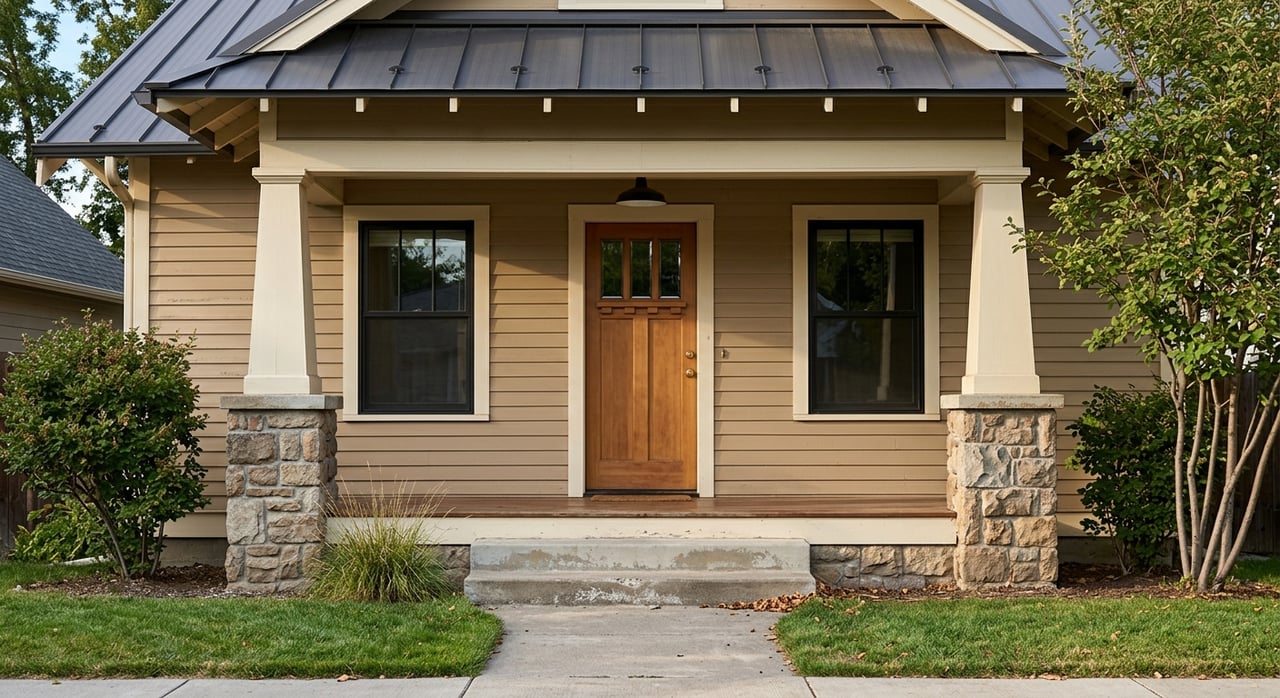
If you have ever fallen for a Livingston home because of its porch, woodwork, or old-house character, you are not alone. Historic homes here can offer real charm, but they also come with questions about condition, permits, and renovation costs. If you are thinking about buying and restoring one, the good news is that a little planning can help you protect both the property and your budget. Let’s dive in.
Why Livingston Historic Homes Stand Out
Livingston has a well-defined historic framework, which matters when you start house hunting. The city identifies four National Register historic districts: Westside Residential, Eastside Residential, B Street, and Downtown. You can review that context on the City of Livingston historic preservation page.
That distinction is important because buying a historic home in Livingston is not just about finding an older house. It is also about understanding where the home sits, what architectural features it has, and whether your future plans could trigger exterior review. In other words, character and process often go hand in hand.
According to the city’s preservation materials, Livingston’s older housing includes styles such as Queen Anne, Shingle Style, Classical Revival, Prairie, and bungalow homes. The city also notes that Westside homes are generally larger and more embellished than homes in Eastside and Northside areas. That range gives buyers a lot to explore, but it also means no two restoration projects are exactly alike.
Start With the Right Buying Mindset
When you walk into an older home, it is easy to focus on original trim, built-ins, or vintage windows. Those details matter, but they should not distract you from the systems behind the walls and under the roof. A smart historic-home purchase starts with balancing romance and reality.
You want to think about three things early: district status, condition, and your renovation goals. A home may have beautiful period details, but if you plan major exterior changes in a historic district, your timeline may look different than you first expected. If the house needs work, the order of repairs matters just as much as the final design.
What to Check Before You Buy
Look Closely at Roof and Drainage
According to HUD’s residential rehabilitation inspection guide, the roof inspection should cover slope, flashing, gutters, downspouts, ice dams, and visible water damage. In an older Livingston home, that is not a small detail. Moisture is often the issue that turns a manageable repair into a much larger project.
HUD also notes that the basement or crawl space can reveal some of the most important clues about a house. That area may show drainage problems, leaks, poor ventilation, foundation cracking, or ongoing moisture concerns. If you are serious about a property, this is one of the best places to slow down and pay attention.
Watch for Moisture and Wood Decay
Wood decay is usually tied to moisture, not age alone. HUD explains that decay can result from leaks, seepage, condensation, or wood in contact with the ground, and that wood becomes more vulnerable when moisture levels get too high. That is one reason a historic home should be evaluated as a whole system, not just room by room.
If you see staining, musty smells, peeling finishes, or softness in wood components, those are signs worth investigating further. A house with solid bones may still need drainage corrections or ventilation improvements before any cosmetic work makes sense.
Ask About Lead Paint and Asbestos
If the home was built before 1978, the EPA says it is likely to contain lead-based paint. Lead risk increases when paint is deteriorating or disturbed during renovation. Buyers of pre-1978 homes also have disclosure rights before signing a contract, which makes this a key part of due diligence.
The EPA also advises that if you suspect asbestos-containing material, such as old floor tile, ceiling tile, or pipe wrap, and that material is damaged or may be disturbed during renovation, it should be sampled by a properly trained and accredited asbestos professional. This is especially important when you are planning updates rather than just living with the home as-is.
Be Alert to Older Wiring and Insulation Issues
Older homes can include outdated electrical systems that need careful review. ENERGY STAR warns that homes from the 1930s and earlier may have knob-and-tube wiring, which can become a fire hazard if it comes into contact with insulation.
The same guidance notes that hidden attic issues should be corrected before adding insulation. That includes wet insulation, mold, rot, poor ventilation, and moisture venting into the attic. If your restoration plan includes energy upgrades, these issues should be addressed first, not covered up.
Hire the Right Inspector Team
A general home inspection is a starting point, not the whole story. The Consumer Financial Protection Bureau recommends choosing an independent home inspector who works for you and checking references and licensing records where applicable.
For an older Livingston property, it is often wise to treat the general inspection as the first pass. If that inspection raises concerns about structure, electrical systems, moisture, roofing, or hazardous materials, specialist follow-up may be the sensible next step. That extra work upfront can help you make a more confident decision before closing.
Understand Livingston Review Rules
District Location Matters
One of the biggest misunderstandings buyers have is assuming that every old house is subject to the same rules. In Livingston, district location and the kind of work you plan to do are what matter most. The city’s preservation framework makes that clear.
The city states that Historic Design Review is required for all exterior and signage modifications within the Downtown Historic District, including painting and façade changes. More broadly, the overlay ordinance says that any permit affecting the exterior appearance of a building in a historic district requires review before a building permit can be issued.
What the City Reviews
According to the ordinance, the review considers exterior architectural features, general design, scale, arrangement, texture, materials, and how the proposal relates to the district. The city is focused on exterior appearance, not interior arrangements. That means kitchen layouts and many indoor updates may be a separate issue from visible exterior work.
The ordinance also says ordinary maintenance and repair that do not alter exterior appearance are not restricted, and there are no special fees beyond usual building permit fees. That can be reassuring if your work is more about upkeep than change.
Plan for the Timeline
If your project needs review, timing matters. The city’s application materials say the Historic Preservation Commission meets on the second Tuesday of each month at 3:30 p.m., and applications must be submitted 10 days before the meeting to get on the agenda.
The same form asks for building elevations, photographs, site plans or drawings, and PDF submittals. If you are buying a home with immediate exterior plans, it helps to know this process early so your restoration timeline stays realistic.
Build a Smart Restoration Budget
A historic-home budget works best when it is phased. Rather than pouring money into finishes first, it is usually smarter to start with the parts of the house that protect everything else.
A practical order of operations, supported by HUD and ENERGY STAR guidance, looks like this:
- Stop water intrusion and protect the shell.
- Correct structural and moisture issues.
- Address health and safety hazards.
- Air seal and improve insulation.
- Move on to finishes and cosmetic updates.
This order helps you avoid paying twice. There is little value in refinishing surfaces if the roof leaks, the crawl space stays damp, or the attic has unresolved ventilation issues.
ENERGY STAR also recommends getting several contractor estimates and working with licensed and insured contractors. It notes that old insulation does not always need to be removed unless it is wet, moldy, smelly, or contaminated. That can give you more flexibility if you need to phase the work over time.
For pre-1978 homes, lead-safe planning should be part of the budget from day one. The EPA says that renovation, repair, and painting work can create dangerous lead dust, and covered contractors must be EPA- or state-certified and use lead-safe work practices. Even if you are considering some work yourself, the dust risk is still real.
Know the Limits of Historic Tax Credits
Tax incentives can sound appealing, but they are not a fit for every buyer. The National Park Service explains that the federal rehabilitation tax credit is 20 percent of qualified rehabilitation expenses, but it is limited to business or other income-producing use and requires certification as a historic structure.
That is an important point for owner-occupants. Many single-family homes used only as a primary residence will not qualify for the federal credit.
Montana’s Department of Revenue and Montana SHPO guidance, as summarized through the National Park Service resource, indicate that the state Historic Buildings Preservation Credit equals 25 percent of the federal credit and depends on federal certification. In practice, that means state eligibility is tied to the federal program and the Secretary of the Interior’s Standards.
If tax credits are part of your restoration strategy, it makes sense to confirm eligibility very early. Montana SHPO is identified as the first point of contact for applicants and provides technical advice and application guidance.
A Local Approach Makes a Difference
Buying and restoring a historic home in Livingston is about more than purchasing an older property. It is about understanding the house, the block, the district, and the work needed to preserve what makes the home special while making it livable for the way you want to use it.
That kind of purchase often benefits from a hands-on, locally grounded approach. From spotting likely condition issues to helping you think through review timelines and restoration priorities, local guidance can make the process feel much more manageable. If you are exploring historic homes in Livingston, connect with Montana Property Brokers for thoughtful, on-the-ground support.
FAQs
What should you inspect first when buying a historic home in Livingston, MT?
- Start with the roof, drainage, basement or crawl space, moisture issues, structural concerns, electrical systems, and any signs of lead paint or asbestos-related materials.
Do all older homes in Livingston, MT require historic review for renovations?
- No. Review depends on whether the home is in a historic district and whether your work affects the exterior appearance in a way that requires review.
Can you renovate a pre-1978 home in Livingston, MT without lead concerns?
- No. The EPA says homes built before 1978 are likely to contain lead-based paint, so lead-safe planning should be part of any renovation discussion.
Are historic tax credits available for owner-occupied homes in Livingston, MT?
- Usually not in the same way buyers expect. The federal rehabilitation credit is generally limited to business or other income-producing use, and the related state credit depends on federal certification.
How should you budget a historic home restoration in Livingston, MT?
- Plan the work in phases: protect the exterior shell, fix structure and moisture problems, address health and safety issues, improve air sealing and insulation, and then move to cosmetic finishes.