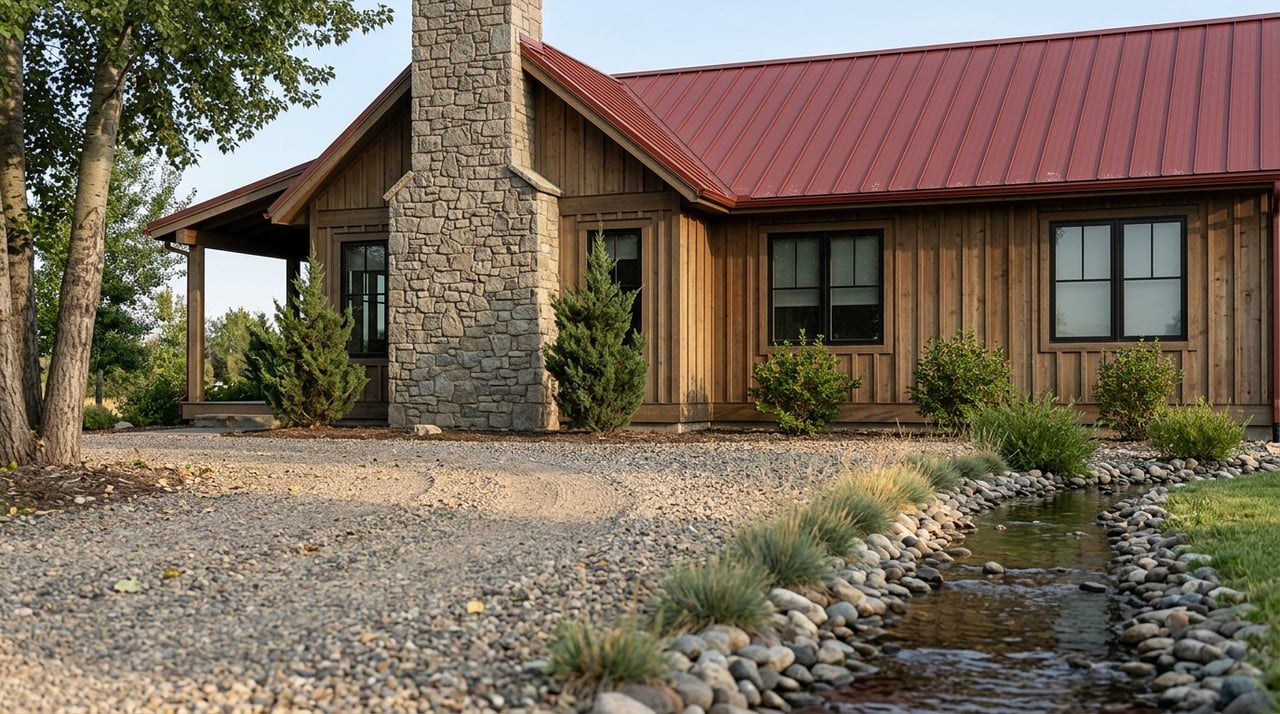
Wondering what daily life really feels like in a Montana town where rivers, ranchland, and mountain views shape the rhythm of the day? If you are considering a move to Big Timber, you probably want more than a map pin and a few listing photos. You want to know what it is like to run errands, find the right type of home, and settle into a place with a strong sense of identity. This guide will help you understand what makes Big Timber distinct and what to think about before you make your move. Let’s dive in.
Why Big Timber draws people in
Big Timber sits in south-central Montana between the Yellowstone and Boulder rivers. According to the city, the town’s roots are tied to the railroad era and the meeting of those river corridors, while farming, ranching, and mining have all played roles in the local economy.
That setting gives Big Timber a character that feels grounded and practical. It is not presented by local sources as a commuter suburb. Instead, it reads more like a small service town with a strong river-and-range identity and a pace that reflects its agricultural roots.
The scale is part of the appeal for many movers. The Montana Department of Transportation lists Big Timber’s 2024 municipal population estimate at 1,681, which means you are looking at a genuinely small town where daily life is likely to feel more personal and more local than in a larger regional hub.
What daily life looks like in Big Timber
If you move to Big Timber, your day-to-day routine will likely center around a compact downtown and a handful of essential community services. The historic downtown runs along the I-90 Business Loop and Highway 191, and the local chamber highlights restaurants, boutiques, a brewery, a movie theater, art galleries, museums, seasonal festivals, and year-round events.
That matters if you are trying to picture your errands and weekends. In a town this size, convenience often looks different than it does in a city. You may have fewer total options, but the places you use regularly tend to be close at hand and woven into the community’s routine.
Big Timber also has core public services that help support full-time living. Carnegie Public Library serves the community at 314 McLeod Street, and Pioneer Medical Center is listed by the chamber as the local medical center.
Schools and local services
For buyers who want in-town school options, Sweet Grass County lists Big Timber Grade School and Sweet Grass County High School in the community. The county school page also notes smaller rural schools in McLeod, Melville, and Greycliff.
That does not tell you which school is the right fit for your household, but it does show that Big Timber and the surrounding county have multiple public school locations. If schools are part of your move, it is smart to confirm attendance details, transportation expectations, and current enrollment information directly with the appropriate local offices as you narrow your home search.
Big Timber weather and seasonal rhythm
Climate has a big impact on how a place lives, and Sweet Grass County describes the area as dry and sunny. The county reports about 15 inches of annual precipitation and roughly 286 days of sunshine, along with winter snowstorms and hot midsummer temperatures.
For some buyers, that mix is a major plus. You get a lot of sun, but you also need to be ready for weather swings that are part of life in Montana. A home search here should include practical questions about heating, access in winter conditions, and how a property functions across all four seasons.
The seasonal rhythm also shapes how the town feels. Summer brings more outdoor activity and community events, while winter can shift attention toward snow conditions, road awareness, and the comforts of home.
Recreation near Big Timber
One reason people look closely at Big Timber is the access to outdoor recreation. The chamber highlights fishing, camping, hunting, snowmobiling, Crazy Mountain Museum, and Natural Bridge, and it places downtown near both the Boulder and Yellowstone rivers.
That gives you a wide range of ways to spend your free time without needing to manufacture an outdoor lifestyle from scratch. In Big Timber, the landscape is part of daily life. Even if you are not planning every weekend around recreation, the rivers, open country, and nearby attractions shape the feel of the town.
This is also where Montana Property Brokers can bring valuable perspective. If you are looking at in-town living, edge-of-town acreage, or a property that supports a more recreation-focused lifestyle, local knowledge matters. The right fit is not just about square footage. It is also about how you want to use your time once you are here.
Community events that shape the town
In a small town, community events often tell you a lot about the local rhythm. Big Timber’s chamber identifies Sweet Grass Fest as the marquee summer event, with the 2026 schedule set for June 26 and 27. The event includes a rodeo, parade, car show, vendors, a 5K fun run, and downtown music.
The Friday Farmers Market adds to that summer pattern. It runs weekly from July 17 to September 11, 2026, at Lions Club Park.
These details matter because they show how community life shows up in public spaces. If you are relocating from a larger area, this is often one of the biggest adjustments and one of the biggest rewards. You trade some big-city anonymity for a more visible, event-driven local culture.
Housing options in Big Timber
Housing in and around Big Timber is best understood through the county’s planning and growth documents. Sweet Grass County describes Big Timber as compact and largely built out within city limits, with most new home growth happening outside city limits in rural-suburban subdivisions east of town, along with a 23-unit mobile home park south of I-90.
From a buyer’s perspective, that suggests a few broad categories of housing to explore:
- Older homes in town
- Newer subdivision housing outside the city core
- Mobile or manufactured-home options
- Acreage or ranch-style properties on the edge of town
That range can be appealing if you want flexibility in how you live. Some buyers want a home close to downtown services and community events. Others want more land, more privacy, or a property that supports a rural lifestyle.
In-town living versus edge-of-town living
Choosing between in-town and edge-of-town property in Big Timber is not only about budget. It is about your routine, your maintenance expectations, and how much land-based responsibility you want.
In-town homes may offer easier access to downtown amenities, schools, the library, and local services. Because the city is compact and largely built out, these properties may also reflect an older housing stock or established neighborhood pattern.
Properties outside city limits can offer a different experience. You may find newer subdivision homes, more space, or acreage-style settings that align with a Montana lifestyle many buyers picture when they start searching. At the same time, rural and edge-of-town properties often come with additional due diligence around access, utilities, land use, and seasonal logistics.
Planning, zoning, and floodplain basics
This is one of the most important practical topics for relocation buyers. Sweet Grass County planning states that all land in the City of Big Timber is zoned and subject to land development regulations, and permits are required for many changes.
If you are buying with plans to remodel, add structures, change use, or make other improvements, it is worth checking local requirements early. That kind of due diligence can save time and help you avoid surprises after closing.
The county planning office also notes mapped 100-year floodplain rules along the Yellowstone River, Boulder River, and several other streams. In a place defined by rivers, that is not a minor detail. If a property is near water or in a low-lying area, floodplain status should be part of your evaluation from the beginning.
Questions to ask before you move
Before you commit to Big Timber, it helps to think through how you want your property to function. A thoughtful search usually starts with lifestyle questions, not just price range.
Consider asking:
- Do you want to be close to downtown services and events?
- Are you looking for a smaller in-town lot or more acreage?
- Do you want a home that works as a full-time residence, a second home, or an investment-focused property?
- Are you planning future improvements that could trigger permits or zoning review?
- Is the property near a mapped floodplain area?
- How comfortable are you with winter access and seasonal maintenance needs?
These questions can help you narrow your options faster. They also make it easier to compare homes that may look similar online but live very differently in practice.
Why local guidance matters here
Big Timber offers a lifestyle that can be deeply appealing, but small-town and rural markets reward careful guidance. Two properties with similar acreage or similar views can come with very different practical realities.
That is where a high-touch brokerage can make a real difference. Montana Property Brokers brings a place-based, hands-on approach that fits a market like this, especially for buyers who want clear communication and practical insight into Montana living. Whether you are looking for an in-town home, a recreational property, or edge-of-town acreage, having experienced local support can help you move with more confidence.
If Big Timber sounds like the kind of place where you can picture your next chapter, it helps to work with a brokerage that understands both the lifestyle and the details. Connect with Montana Property Brokers to explore available properties and get thoughtful guidance on your move.
FAQs
What is daily life like when moving to Big Timber, MT?
- Daily life in Big Timber centers on a compact downtown, local services, community events, and a small-town pace shaped by ranching, farming, and nearby river recreation.
What types of homes can you find in Big Timber, MT?
- Buyers may find older in-town homes, newer subdivision housing outside city limits, mobile or manufactured-home options, and acreage or ranch-style properties near town.
What should buyers know about zoning in Big Timber, MT?
- Sweet Grass County says all land in the City of Big Timber is zoned and subject to land development regulations, and many property changes require permits.
What should buyers know about floodplains in Big Timber, MT?
- County planning notes mapped 100-year floodplain rules along the Yellowstone River, Boulder River, and several other streams, so buyers should review floodplain status early in the process.
What is the climate like in Big Timber, MT?
- Sweet Grass County describes the climate as dry and sunny, with about 15 inches of annual precipitation, roughly 286 days of sunshine, winter snowstorms, and hot midsummer temperatures.
What community events can new residents enjoy in Big Timber, MT?
- Big Timber’s annual rhythm includes events like Sweet Grass Fest in summer and the Friday Farmers Market at Lions Club Park during the seasonal market period.