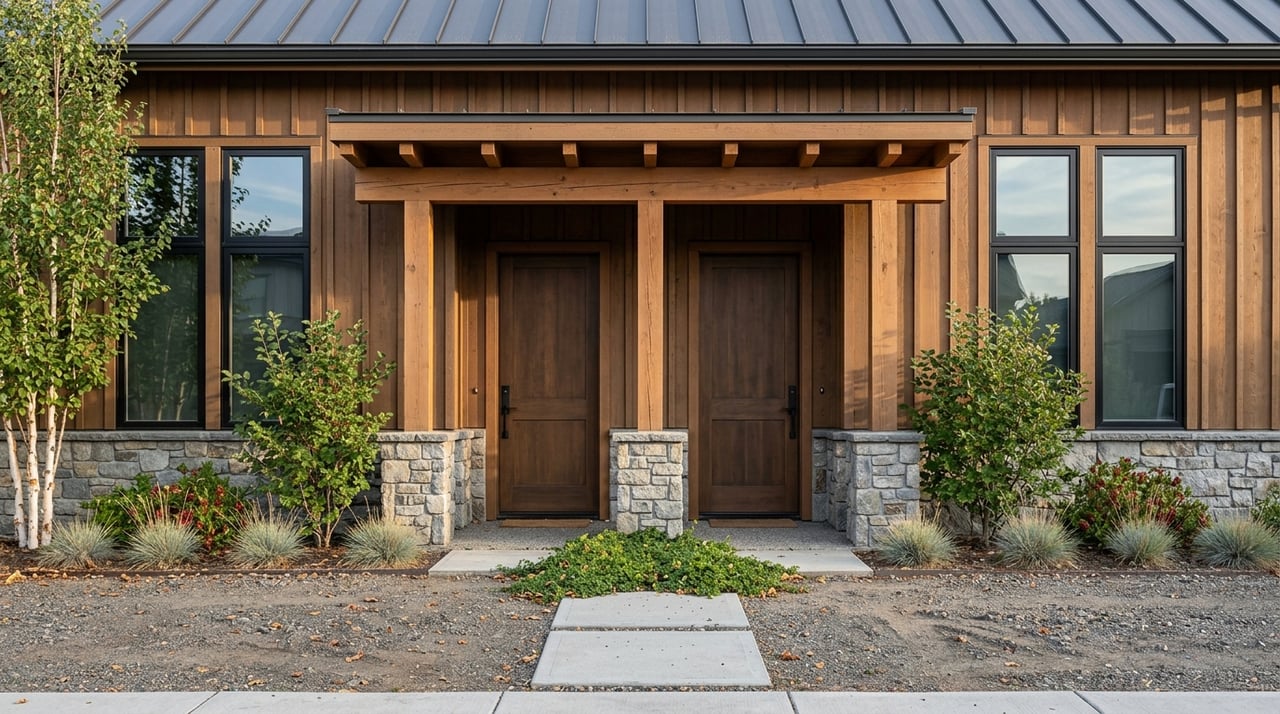
Is Bozeman still a smart place to buy a small investment property? For many buyers, the answer can be yes, but only if you look past the postcard appeal and run the numbers with real care. If you are weighing a duplex, triplex, townhome rental, or a home with an accessory unit, this guide will help you understand what matters most in Bozeman before you make an offer. Let’s dive in.
Why Bozeman Draws Investment Buyers
Bozeman continues to attract buyers because it combines population growth, a major university presence, and a broad employment base. The U.S. Census Bureau’s 2025 estimate puts the city at 58,814 residents and Gallatin County at 126,984. Montana State University reports total enrollment of 17,165, and its data shows 68.3% of undergraduates live off campus or commute.
That mix helps support rental demand. The city describes Bozeman as the regional employment center for southwestern Montana, which gives the market more than one demand driver. For you as a buyer, that means demand may come from students, local workers, and households looking for flexible rental options.
At the same time, Bozeman is not a simple cash-flow market. Zillow listed Bozeman’s average rent at $2,205 in April 2026, while the 2024 Gallatin Valley Housing Report said Gallatin County rents were nearing $2,250 in January. Rents remain elevated, but growth has slowed, so it is wise to underwrite conservatively.
Small Investment Property Types in Bozeman
In Bozeman, a small investment property can take several forms. You may be looking at a duplex, a triplex, a townhome-style rental, or a single-family home with an accessory dwelling unit, often called an ADU. The key point is that the property type needs to be recognized by current zoning and building approvals, not just marketed as rentable space.
The city defines duplex and triplex residential uses as a building, or part of a building, used by two or three households living independently on one lot. That matters because layout alone does not make a unit legal. A finished basement or garage conversion may feel like a separate rental, but that does not mean it was approved as a dwelling unit.
ADUs are especially important in Bozeman because they expand your options in a market where compact housing has grown. The city says ADUs are allowed in all residential zoning districts except RMH, and planning materials note that the unit must remain subordinate to the primary structure. If a listing advertises guest quarters, a lock-off suite, or a rental-ready lower level, you should verify exactly what has been approved.
Why Legal Use Matters More Than Marketing
One of the biggest mistakes buyers make is assuming that if a space has been rented before, it can be rented again in the same way. In Bozeman, zoning is separate from building code and permit review. That means a property can have space that looks usable without being approved as a legal second dwelling unit.
This issue matters even more now because Bozeman’s revised Unified Development Code took effect on February 1, 2026. If your plan depends on adding an ADU, converting part of a home, or increasing rental density, you need to confirm the parcel’s current zoning, lot standards, and any overlay rules before you write an offer around that strategy.
If the property sits outside Bozeman city limits, the rules may be different. In that case, Gallatin County or another local jurisdiction may control zoning instead of the city. For you, the practical takeaway is simple: verify the use with the right local authority before you count on future income.
Bozeman Numbers Require Conservative Underwriting
Bozeman can be attractive, but many deals are sensitive to assumptions. Redfin reported a median sale price of about $675,000 in March 2026, while Zillow listed average rent at $2,205 in April 2026. That gap does not automatically rule out a purchase, but it does mean your returns can change quickly based on financing, vacancy, and repair costs.
When you evaluate a property, look beyond the mortgage payment. A realistic underwriting review should include:
- Property taxes
- Insurance
- Maintenance and repairs
- Vacancy allowance
- Utilities, if owner-paid
- Property management, if needed
- Reserves for larger capital expenses
In a market like Bozeman, small misses in your assumptions can make a big difference. If you are buying from out of state or planning to hold the property long term, it helps to use a more cautious rent estimate and a healthy reserve line rather than a best-case scenario.
Property Taxes Can Change the Math
Montana’s 2026 property-tax changes are important if you plan to use the property as a long-term rental. According to the Montana Department of Revenue, long-term rentals rented for at least 28 days for at least seven months each year can qualify for a reduced rate. Second homes and short-term vacation properties are treated differently.
That does not turn a weak deal into a strong one on its own. Still, it can affect your holding costs enough to matter, especially if you are comparing a long-term rental plan with a more seasonal or personal-use model. Before you buy, make sure your intended use lines up with how the property is likely to be classified.
Parking and Layout Matter More Than You Think
Parking may not be the first thing you focus on, but in Bozeman it can have a real effect on tenant usability and day-to-day function. The city has residential parking permit districts near Bozeman High School and Montana State University. For duplexes, triplexes, and homes with ADUs, parking can influence how practical the setup feels for occupants.
A property that works on paper can become harder to rent if parking is limited or awkward. This is especially true when multiple households share one lot. As you review a property, look at access, snow-season functionality, and whether the existing parking setup supports the number of units you plan to use.
Short-Term Rental Plans Need Extra Caution
If you are thinking about short-term rental income, slow down and verify everything. Bozeman says new Type 3 short-term rentals are prohibited. The city also requires hosts of Type 1, 2A, and 2B short-term rentals to certify that the home is their primary residence for 70% or more of the calendar year.
The city notes that Type 2B can involve an ADU on the same lot as the host’s primary residence or one additional dwelling unit in the same building, depending on the setup. That means your strategy has to match the city’s definitions and occupancy requirements. You cannot assume that any property with a second unit can be used as a full-time short-term rental.
Bozeman also says short-term rental approvals do not automatically transfer when a property is sold. If a seller has a current approval, that does not mean you will inherit it at closing. The city states that approval ends when the property is sold or otherwise transferred.
There are also operational requirements. The city says short-term rental hosts need state lodging-tax registration, a fire-safety inspection, and a public accommodations license through the health department. The city also warns that unregistered short-term rental operation is a misdemeanor.
From a tax standpoint, use matters too. Montana’s lodging facility sales and use tax is 8%, and the Department of Revenue says online hosting platforms collect and remit taxes on bookings they facilitate. If you are comparing long-term and short-term rental models, make sure your numbers reflect the very different compliance and operating realities.
Due Diligence Before You Make an Offer
In Bozeman, small investment properties are often won or lost in due diligence. Before you commit, you want to know whether the use is legal, whether the numbers still work after realistic costs, and whether outside issues could limit your plan.
A strong pre-offer checklist may include:
- Confirm current zoning and allowed use
- Verify permits for any second unit or conversion
- Review tax classification based on intended use
- Check parking layout and site functionality
- Ask about insurance implications for rental use
- Review lender terms for your intended rental strategy
- Examine HOA rules, if applicable
- Budget for vacancy and capital reserves
If you are considering an addition or conversion, include impact fees in your planning. The city says ADUs are subject to impact fees beginning February 1, 2026. A project that looks modest at first can carry meaningful upfront costs.
Landlord Responsibilities Deserve Early Attention
If your purchase will become a long-term rental, do not leave lease planning until after closing. The Montana Supreme Court says residential landlord-tenant interactions are governed primarily by the Residential Landlord and Tenant Act and security-deposit laws. It also provides landlord and tenant handbooks and court forms.
For you, that means rental ownership involves more than finding a tenant. Lease language, deposit handling, notice procedures, and the eviction process should be reviewed carefully with qualified professionals before you rely on a self-made plan.
A Smart Bozeman Investment Starts With Details
Bozeman still offers real opportunity for buyers who want a smaller investment property in a market with strong local demand drivers and a wide range of housing formats. But this is a place where details matter. Legal use, tax treatment, parking, short-term rental rules, and realistic underwriting can all change the outcome.
If you want a property that fits both your goals and the local rules, a hands-on approach matters. The team at Montana Property Brokers brings local perspective and transaction-focused guidance to help you evaluate opportunities with care.
FAQs
What counts as a small investment property in Bozeman?
- In Bozeman, small investment properties may include duplexes, triplexes, townhome-style rentals, or single-family homes with an accessory dwelling unit, but the setup should be verified through zoning and permit records.
Can you buy a Bozeman home with a basement and rent it as a separate unit?
- Not automatically. In Bozeman, a finished basement or converted space is not necessarily a legal dwelling unit, so you should verify zoning, permits, and building approvals before assuming separate rental use is allowed.
Are ADUs allowed in Bozeman residential zones?
- The city says ADUs are allowed in all residential zoning districts except RMH, but buyers should still confirm the parcel’s current zoning and any applicable standards under the updated code.
Is Bozeman a strong cash-flow market for small rentals?
- Bozeman may work for some buyers, but current pricing and rent levels suggest many deals are sensitive to financing terms, vacancy, taxes, repairs, and reserves, so conservative underwriting is important.
Can you use a Bozeman investment property as a short-term rental?
- That depends on the property and the city’s rules. Bozeman says new Type 3 short-term rentals are prohibited, and certain other short-term rental types require the home to be the host’s primary residence for at least 70% of the year.
Do short-term rental approvals transfer with a property sale in Bozeman?
- No. Bozeman says short-term rental approval terminates when the property is sold or otherwise transferred, so buyers should not assume an existing approval will carry over.
Do long-term rentals get different property-tax treatment in Montana?
- The Montana Department of Revenue says long-term rentals rented for at least 28 days for at least seven months each year can qualify for a reduced rate, while second homes and short-term vacation properties are treated differently.
What should you verify before offering on a Bozeman investment property?
- You should confirm legal use, permits, zoning, parking, tax classification, lender and insurance fit, and any HOA restrictions, while also underwriting vacancy, maintenance, and reserves realistically.